
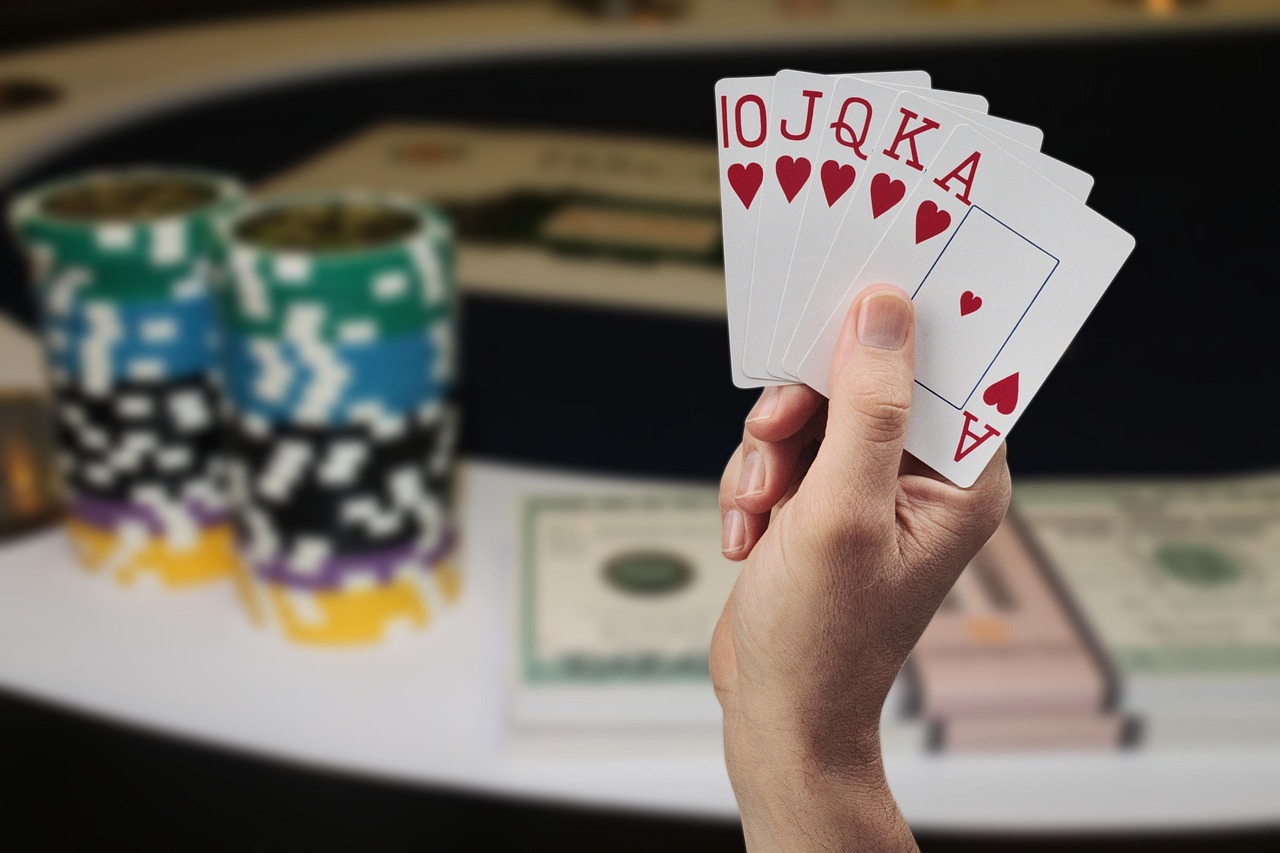
Every slot machine on a casino floor is the end product of thousands of hours of mathematical engineering, psychological testing, and A/B experiments. And the same is broadly true online. The shiny animations, the almost-win sounds, the bonus rounds that trigger just as you're about to leave — none of it is accidental. If you understand how these games are actually built, you stop playing like a tourist and start playing like someone who knows the terrain. That's what this article is about: the real mechanics behind slots, table games, poker, and sports betting, and how to use that knowledge instead of being used by it.
Every regulated slot publishes an RTP — return to player — percentage somewhere in the paytable or help screen. A 96% RTP means that, across millions of spins, the machine returns about 96 cents for every euro or dollar wagered. The remaining 4% is the house edge. Sounds small. It isn't.
Run the math on a session. If you spin €1,000 through a 96% RTP slot, your expected loss is €40. Through a 92% RTP slot — still legally fine in many jurisdictions — it's €80. Same spins, double the bleed. Over a weekend of play with a few thousand in turnover, that gap becomes the difference between a modest losing session and a genuinely painful one.
Here's the catch most players miss: high-volatility slots often carry lower RTPs than low-volatility ones, because the operator is funding bigger jackpot potential. Online slots from major studios like NetEnt, Pragmatic Play, and Play'n GO typically sit between 94% and 96.5%. Land-based machines in the US, particularly in states like Nevada, can legally drop below 90%. If you only remember one thing from this article, make it this: check the RTP before you deposit, not after.
Slot designers weaponise something called losses disguised as wins, or LDWs. Imagine you bet €1, you hit a line that pays €0.80, and the machine erupts into a celebratory animation with a triumphant chime. You lost 20 cents, but your brain registered a win. Studies using eye-tracking and skin conductance have shown that players react to LDWs almost identically to genuine wins — elevated arousal, faster play, larger next bets.
This is not a conspiracy theory. It's documented in peer-reviewed gambling research going back nearly two decades. Engineers literally tune the animation budgets and sound design around it. Smaller studios cut corners on RTP and volatility but never, ever skimp on reward feedback, because that's what keeps session length up.
Slots are a maths problem you can't solve. Blackjack and poker are different — skill has a measurable, provable effect on EV.
In blackjack, playing basic strategy correctly takes the house edge from around 2% down to roughly 0.5% on a standard six-deck, dealer-stands-on-soft-17 game. That's a huge swing. Card counting can technically push a player into positive territory, but modern shuffling machines, penetration limits, and continuous shuffle technology have made it impractical outside rare conditions.
Video poker is where the smart money quietly lives. Jacks or Better on a 9/6 paytable — that's 9 coins for a full house and 6 for a flush — returns 99.54% with perfect play. Compare that to a typical 92% slot and you begin to see why experienced players gravitate toward the same handful of machines. The catch: bankroll management matters at that level because variance is brutal even with a tiny edge. Take a look at OK68 for a fuller picture.
Poker is fundamentally different from everything else discussed here because you're not fighting the house — you're fighting the rake. The house takes a small cut of every pot and then walks away. Everything else is between you and the other players.
Online micro-stakes cash games on platforms like PokerStars or GGPoker typically rake 4.5% to 5%, capped at €2–€3 per pot. That seems trivial until you realise that in tough games, the rake is often the only reason a winning player breaks even. The strategic consequence is real: you want to play larger pots less often, avoid marginal preflop situations, and pick tables where the rake is effectively lower relative to pot size.
Bookmakers aren't charities, but they aren't unbeatable either. A standard retail sportsbook runs a margin of 4% to 8% on two-way markets — meaning that if you back every side of every market, you lose that percentage non-negotiably. The only way to profitability is beating the closing line consistently, which is what professional bettors actually track.
Signs you're getting value:
Live betting, cash-out features, and same-game parlays are engineered around emotional decisions. Cash-out in particular almost always undervalues the position you hold, because the book is pricing your fear as much as your bet.
A welcome bonus with a 40x wagering requirement on slots means you must bet forty times the bonus amount before withdrawing a cent. A €100 bonus becomes €4,000 in required turnover. At a 95% RTP slot, the expected loss on that turnover is €200 — more than the bonus itself. Many players do not realise they are playing a losing proposition from the moment they click 'claim'.
Real bankroll discipline isn't a slogan. It's concrete: decide your session bankroll before you log in, size bets so that 200–400 spins on a slot or 20–30 buy-ins at a poker table don't wipe you out, and set a hard stop. Time limits matter as much as money limits because session length is the metric game designers care about most.
The iGaming industry is fascinating precisely because it sits at the intersection of mathematics, psychology, and entertainment design. You don't need to be a mathematician to enjoy it. You just need to know which numbers matter, which feelings are being harvested, and which games reward patience over impulse. Do that, and you shift from being the product to being a participant who understands the terms. The house edge never goes away — but it doesn't have to be the whole story either.

Hi, my name is Anthony kuber. I am artist and fashion designer.
I love to travel and writing blogging.
Your email address will not be published. Required fields are marked *
Software Developer & Writer
Hey, I'm Diva, a developer and writer blending code and creativity. I'm driven by a deep curiosity and a relentless pursuit of excellence. Join me as I craft digital solutions and captivating stories.


