
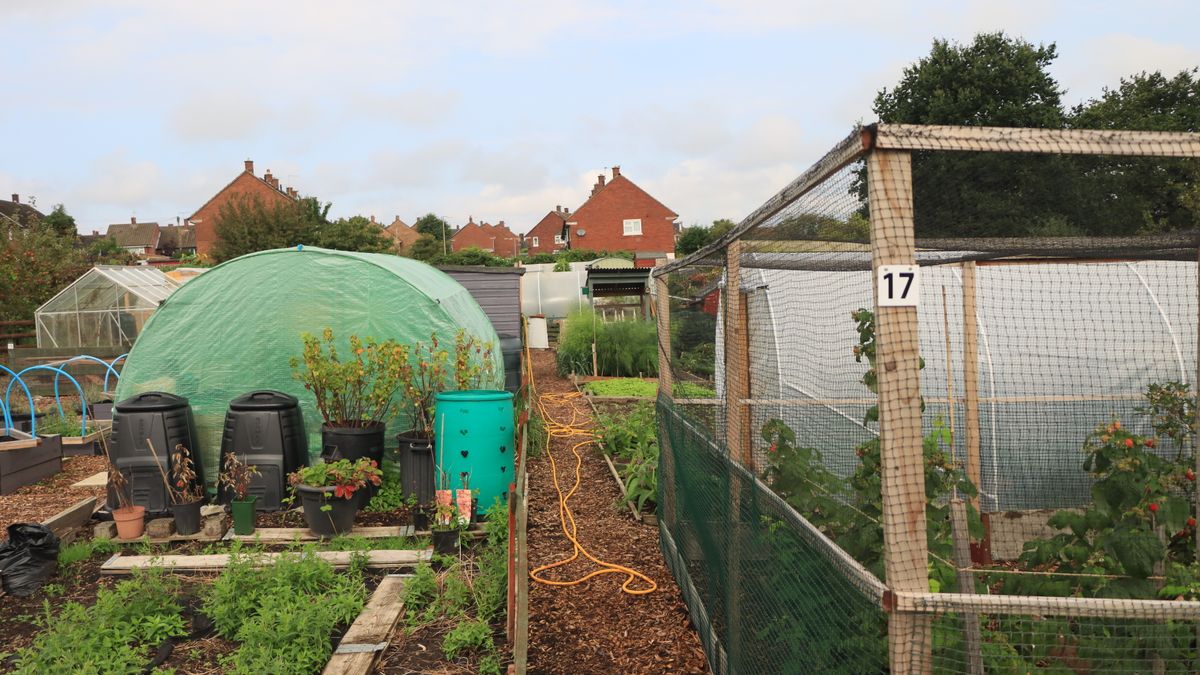
By January, many allotment paths have turned into something between a mud bath and an ice rink. It is not just inconvenient. Slippery paths cause falls, especially when you are carrying a full watering can or a box of seed potatoes. Muddy boots spread weed seeds and soil-borne diseases from plot to plot. And standing water on a shared path can quietly ruin a neighbour’s garlic bed or drown the roots of their overwintering brassicas. Keeping paths clear through wet British winters is one of the simplest, most neighbourly jobs on the plot. It takes a few minutes each visit, a bag of bark chips and a stiff brush. Do it well and you will protect your own back, your soil structure and the whole site’s growing conditions.
Before you buy anything, walk your paths on a wet day and watch where water sits. On heavy clay, a path that was firm in September can hold two inches of standing water after a week of drizzle. Look for low spots, compacted areas and places where leaves have blocked the natural flow. Then take these steps:
This audit takes twenty minutes and saves hours of slipping and sloshing later.
Bark chips are the allotment holder’s best friend in winter. They are cheap, often free from tree surgeons, and they knit together to form a firm, grippy surface that lets rain through. Spread a layer 5–8cm deep over bare soil paths. Do not dig them in. Just top up each autumn and again after heavy use. Woodchip works similarly, though it breaks down faster and may need replacing every year or two. For the wettest spots, mix in a little horticultural grit or coarse sand to improve drainage further.
If you have raised beds, consider edging paths with a single row of bricks or old roof tiles set flush with the soil. This stops bark chips migrating into your beds and keeps the path edge crisp. Avoid large gravel on slopes: it rolls underfoot and ends up in your salad beds. For a low-cost, long-lasting option, lay a permeable membrane under the chips on the worst paths. It stops weeds pushing through and keeps the chips from sinking into the mud. Whatever you choose, top up little and often rather than dumping a thick layer all at once.
A besom broom or a stiff yard brush is the most underrated tool on the plot. Sweep your paths every time you visit, even if it is just for ten minutes. Sweep from the centre outwards, pushing leaves and debris to the edges where they can be collected for compost. This simple habit stops mud building up, breaks the surface tension of puddles and keeps the path surface open. After sweeping, use the broom to push standing water towards your drainage channel. In freezing weather, sweep before the water freezes, not after. A swept path dries far faster than a leaf-strewn one. If you share a main path, take turns with neighbouring plot holders. A rota for sweeping once a week through December and January makes a huge difference and builds good site relations.
If water still pools after sweeping and channelling, you need a simple soakaway. Dig a hole at the lowest point of your path, about 60cm deep and 40cm wide, and fill it with rubble, broken pots or stones. Top it with a layer of gravel and then bark chips. This lets water drain away slowly instead of flooding next door. On very flat sites, a shallow French drain along the path edge works well: line a trench with landscape fabric, add a perforated pipe if you have one, then backfill with gravel. Even without a pipe, a gravel-filled trench helps.
Remember that weeds spread easily in mud. Creeping buttercup, couch grass and bindweed all travel on boots and tools. By keeping paths clear and dry, you reduce that spread. Encourage neighbours to do the same, and share a bag of bark chips when you have spare. A few minutes sweeping now prevents a spring of pulling weed seedlings from your beds.
Keep a pair of wellington boots by the gate and change into them before stepping onto paths. Mud from the road or car park is just as bad as plot mud. Store a small bucket of grit or sand near the worst slope and sprinkle it on icy mornings. Put a plank or a few flat stones across any section that floods repeatedly. Above all, do not walk on saturated beds to reach a path. Reach over or use a long-handled hoe. Your soil structure will thank you, and so will your neighbours. With a little routine, your allotment paths will stay safe, clear and kind to everyone through the wettest British winter.

Hi, my name is Anthony kuber. I am artist and fashion designer.
I love to travel and writing blogging.
Your email address will not be published. Required fields are marked *
Software Developer & Writer
Hey, I'm Diva, a developer and writer blending code and creativity. I'm driven by a deep curiosity and a relentless pursuit of excellence. Join me as I craft digital solutions and captivating stories.


