
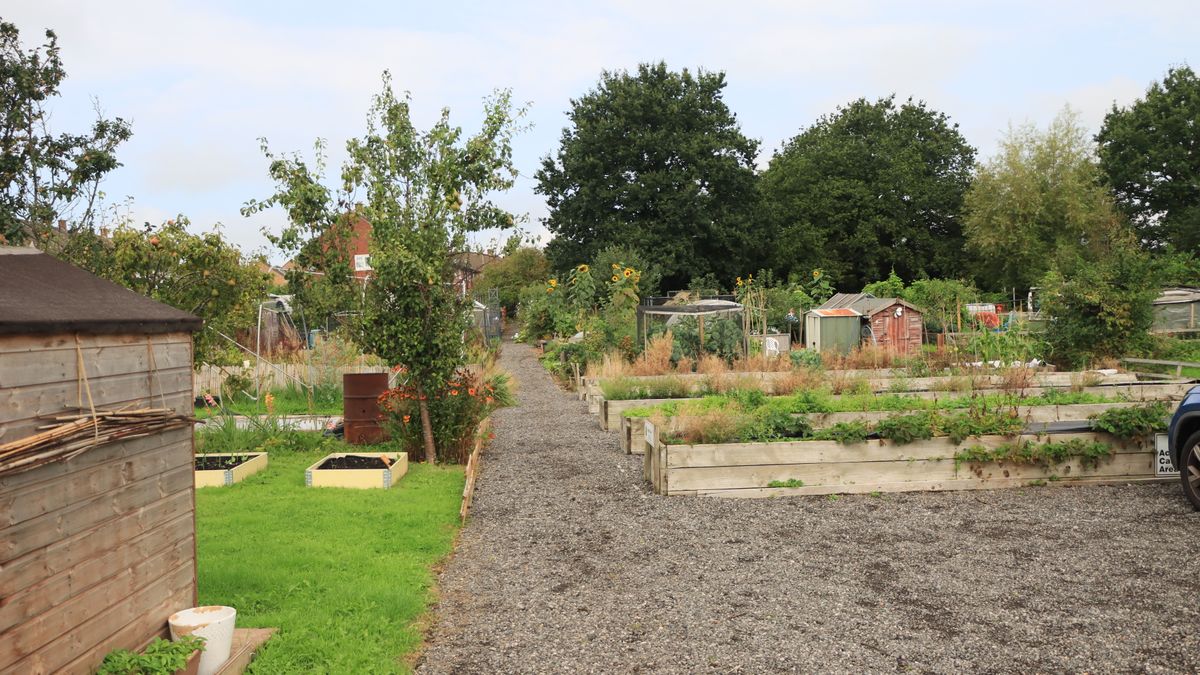
On a small allotment, every bed works hard. You probably grow the same crops, in roughly the same spot, because that is where the light falls best or where the water butt reaches. That is exactly how soil gets tired and pests get comfortable. Clubroot in brassicas, white rot in onions and potato cyst eelworm all survive in the ground for years, waiting for their favourite crop to come round again. Keep feeding them, and a small plot quickly becomes a patchy one.
Rotation is not about following a rulebook for its own sake. It is about keeping soil and pests guessing, spreading nutrients around sensibly and giving each crop the ground preparation it actually wants. On a plot the size of a tennis court, that is a big return for a little planning in January.
Sort your crops into four groups and the muddle disappears. Everything from winter cabbage to rocket belongs somewhere, even if it means making a judgement call.
Onions, leeks, garlic and shallots sit awkwardly in this scheme but badly need moving, because white rot lingers. Treat them as a roaming crop, and never put them back in a bed that has had alliums for at least three years. Courgettes and sweetcorn are tolerant enough to slot in wherever there is a gap.
Number your beds one to four and move each group along by one bed every year. A proven order is potatoes, then brassicas, then roots, then legumes, then back to potatoes.
It works because of what each crop leaves behind. Muck goes on the potato bed in autumn, giving it time to settle. Brassicas follow and take the lime, on ground firmed by the potato harvest and cleared early enough for planting out. Roots come next, appreciating the fine tilth that has built up and the absence of any fresh manure. By the time potatoes return to that bed, the lime has washed through and the risk of scab is much reduced. Legumes sit in the fourth bed, quietly fixing nitrogen that will feed next spring's hungry brassicas.
Over four years, each bed grows all four groups once. Pests that specialise in one family get a long, frustrating wait between appearances.
Half-plot holders, raised-bed growers and anyone with a garden patch can still rotate. Simply merge groups.
The principle matters far more than the number of beds. Nothing should follow itself, and nothing should follow a close relative.
Spread well-rotted manure or garden compost on the potato bed in autumn and on any bed that looks pale and lifeless. Add lime to the brassica bed in winter, ideally a good few weeks apart from any muck, as they cancel each other out. Do not lime the root bed in the same season you plan to grow carrots — they rarely thank you for it.
Bare ground in late summer is a wasted opportunity. Sow field beans, grazing rye or phacelia as a green manure and dig or tuck it in before spring. Avoid mustard before brassicas, as it carries clubroot and will undo your good work. Where a crop fails or a bed empties early, a quick sowing of salad leaves or spinach fills the gap neatly.
Keep a rough plan in a notebook or on your phone, with bed numbers and what grew where. It takes five minutes and saves hours of head-scratching next January. Photograph the plot in midsummer when the beds are full, and write the crop names over the top.
You will break the rotation. Blight will strike the tomatoes and you will panic-clear the bed. A wet winter will leave one patch unplanted. That is completely fine. Rotation is a gentle discipline, not a promise. Move what you can, never grow the same family twice in a row, and give the soil a rest with a green manure when you can. Your little plot will respond with healthier plants, fewer nasty surprises and steadily better ground, year after year.

Hi, my name is Anthony kuber. I am artist and fashion designer.
I love to travel and writing blogging.
Your email address will not be published. Required fields are marked *
Software Developer & Writer
Hey, I'm Diva, a developer and writer blending code and creativity. I'm driven by a deep curiosity and a relentless pursuit of excellence. Join me as I craft digital solutions and captivating stories.


