
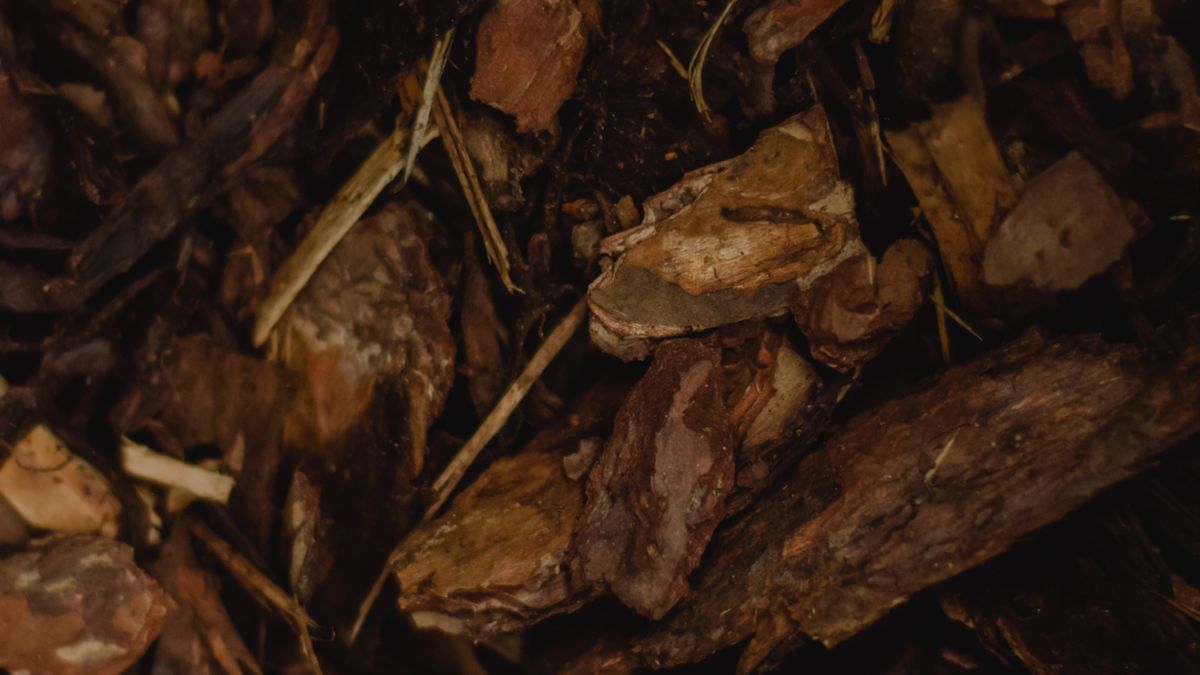
A compost heap that has gone quiet or started to smell is almost never beyond saving. In nine cases out of ten it is one of three things: too wet, too green, or too tightly packed. When air cannot reach the middle of the pile, the bacteria that take over are anaerobic ones — they work slowly, produce sulphurous and ammonia-like whiffs, and leave you with a slimy, matted mess rather than crumbly compost.
The good news is that composting is a self-correcting process. Give the right microbes the conditions they want and they will get on with the job with very little persuasion from you. The trick is knowing which condition has slipped.
If your bin smells like a drain, or like silage left too long in a bucket, you have an oxygen problem. The usual culprits are grass cuttings, kitchen peelings and soft green weeds, all of which collapse into a soggy mat that seals off the air. Add a wet UK autumn and a lidded bin, and the contents can turn stagnant within a fortnight.
Fix it by doing three things in this order:
Aim to mix the browns right through rather than dumping them on top. If the heap is truly sodden, spread it out on a tarpaulin for an afternoon and let the wind and sun do some of the work before you rebuild it.
A heap that never heats up, dries out into a brittle brown mound, or simply sits there for months is usually short of greens or short of nitrogen. The balance you are after is roughly two to three parts brown material by volume to one part green.
Browns, for reference, are carbon-rich and dry: cardboard, newspaper, straw, woodchip, dried leaves, sawdust, spent bedding from a pet rabbit or guinea pig. Greens are nitrogen-rich and moist: grass clippings, kitchen scraps, coffee grounds, fresh weeds, comfrey leaves, nettles, spent annuals and old cut flowers.
If your heap is mostly brown, layer in grass cuttings, a bucket of comfrey, or a handful of chicken manure pellets between the layers. If it is mostly green, shred cardboard with the grain and mix it through generously. Thin layers — no more than 10–15cm of any one material — beat thick slabs every time.
Compost should feel like a wrung-out sponge: damp enough to glisten, but not dripping when you squeeze a handful. Wetter than that and you snuff out the air; drier and the microbes grind to a halt.
Test by plunging your hand into the middle of the heap, not the edges, which dry out first. If it feels dusty, water it with a can and turn as you go, wetting each layer as you rebuild. If water runs out when you squeeze, add browns and turn.
In a hot, dry summer, a heap in full sun may need watering fortnightly. In a wet winter, the opposite is true: keep the lid on, add cardboard, and consider raising the bin on a pallet so excess water drains away rather than pooling at the base.
Turning is the single most useful thing you can do to a struggling heap. It introduces air, mixes the materials and lets you spot problems before they take hold. Once a fortnight during the growing season is plenty; less often in winter, when everything slows down anyway.
If space is tight, a dalek-style bin or a two-bay pallet setup works well as long as you keep the contents aerated. For small gardens and balconies, a wormery or a bokashi bin deals with kitchen waste neatly, leaving you to compost only garden material in the main bin. Chop everything smaller than you think you need — a 2–3cm piece breaks down far faster than a whole cabbage stalk.
Woodland gardeners have a few advantages worth using. Dappled shade keeps a heap from drying out, and leaf mould is free for the raking. But tree roots will happily invade a heap built directly on the ground, stealing moisture and nutrients. Sit your bin on a paving slab or a sheet of heavy-duty membrane, then add a spadeful of garden soil or old compost to inoculate each new layer. Shredded leaves and woodchip from your own trees make excellent browns, though they break down slowly — expect a woodland heap to take six to twelve months rather than the three or four you might get in a sunny, turned heap.
Not every quiet heap is a failing one. A cold heap in winter, a bin full of autumn leaves, or a pile that has already finished and is quietly maturing all look inactive from the outside. If it smells earthy rather than sour, holds moisture without being sodden, and has visible fungal threads, worms or woodlice in it, it is working — just slowly.
Give it a turn, keep the balance of greens and browns roughly right, and check the moisture with your hand every few weeks. Do that, and even a neglected heap will come back to life.

Hi, my name is Anthony kuber. I am artist and fashion designer.
I love to travel and writing blogging.
Your email address will not be published. Required fields are marked *
Software Developer & Writer
Hey, I'm Diva, a developer and writer blending code and creativity. I'm driven by a deep curiosity and a relentless pursuit of excellence. Join me as I craft digital solutions and captivating stories.


